Friday Evening
Arrive, explore, eat, drink — in that order.
Plaza de Espana & Parque de Maria Luisa
Start with the jaw-dropping semicircular plaza built for the 1929 Expo. The tiled alcoves representing each Spanish province glow beautifully as the sun dips. Stroll through the adjacent Parque de Maria Luisa as the heat fades.
Plaza de Espana
LandmarkMassive semicircular masterpiece with ornate ceramic bridges and a canal. Free entry, stunning at golden hour.
Riverside Walk
Head north along Paseo de las Delicias and Paseo de Cristobal Colon. The Torre del Oro glows golden across the Guadalquivir, with Triana's lights reflecting on the water.
Torre del Oro
Riverside13th-century Moorish watchtower, beautifully illuminated at night. A perfect landmark along the evening walk.
Barrio de Santa Cruz at Twilight
Get lost in the narrow winding streets of the old Jewish quarter. Orange trees, hidden plazas, the Cathedral and Giralda tower lit up from outside. End at Plaza del Salvador where locals gather with drinks.
Dinner
Sevillanos eat late. Pick your vibe:
El Rinconcillo
TapasOldest bar in Sevilla (est. 1670). Classic espinacas con garbanzos, pavia de bacalao. Stand at the bar for the authentic experience.
Canabota
Fine DiningOutstanding seafood — top-quality Atlantic fish and shellfish with modern presentation. One of Sevilla's best.
La Azotea
Modern TapasCreative twists on Andalusian classics. Multiple locations. Reservations recommended.
Casa Morales
BodegaHistoric bodega since 1850. Excellent sherries, traditional montaditos. Near the Cathedral.
Drinks & Nightlife
From rooftop views of the Giralda to free flamenco in a coal yard.
EME Catedral Rooftop
RooftopCocktails directly facing the Giralda tower. Iconic, unmatched setting. Pricier side but worth every cent.
La Carboneria
FlamencoFree flamenco performances most nights in a converted coal yard. Sangria, casual atmosphere. Arrive early.
Salicornia Cocktail Bar
CocktailsCreative cocktails with Andalusian ingredients. Small, atmospheric, and worth finding.
Alameda de Hercules
Bar DistrictSevilla's most vibrant nightlife strip. Lined with terrace bars, lively every night. Just pick a spot.
Flamenco Show
If you want a proper show, book ahead:
Casa de la Memoria
FlamencoIntimate courtyard venue, one of the most respected flamenco shows in the city. Book well in advance.
Museo del Baile Flamenco
FlamencoFounded by Cristina Hoyos. Nightly shows in a beautiful courtyard setting.
Friday Processions
March 27 is Viernes de Dolores — the opening night of Semana Santa in Sevilla. Seven brotherhoods take to the streets across different neighborhoods, offering an intimate, family-oriented atmosphere far from the crowds of the official Carrera Oficial. Here are the main ones to catch this evening.
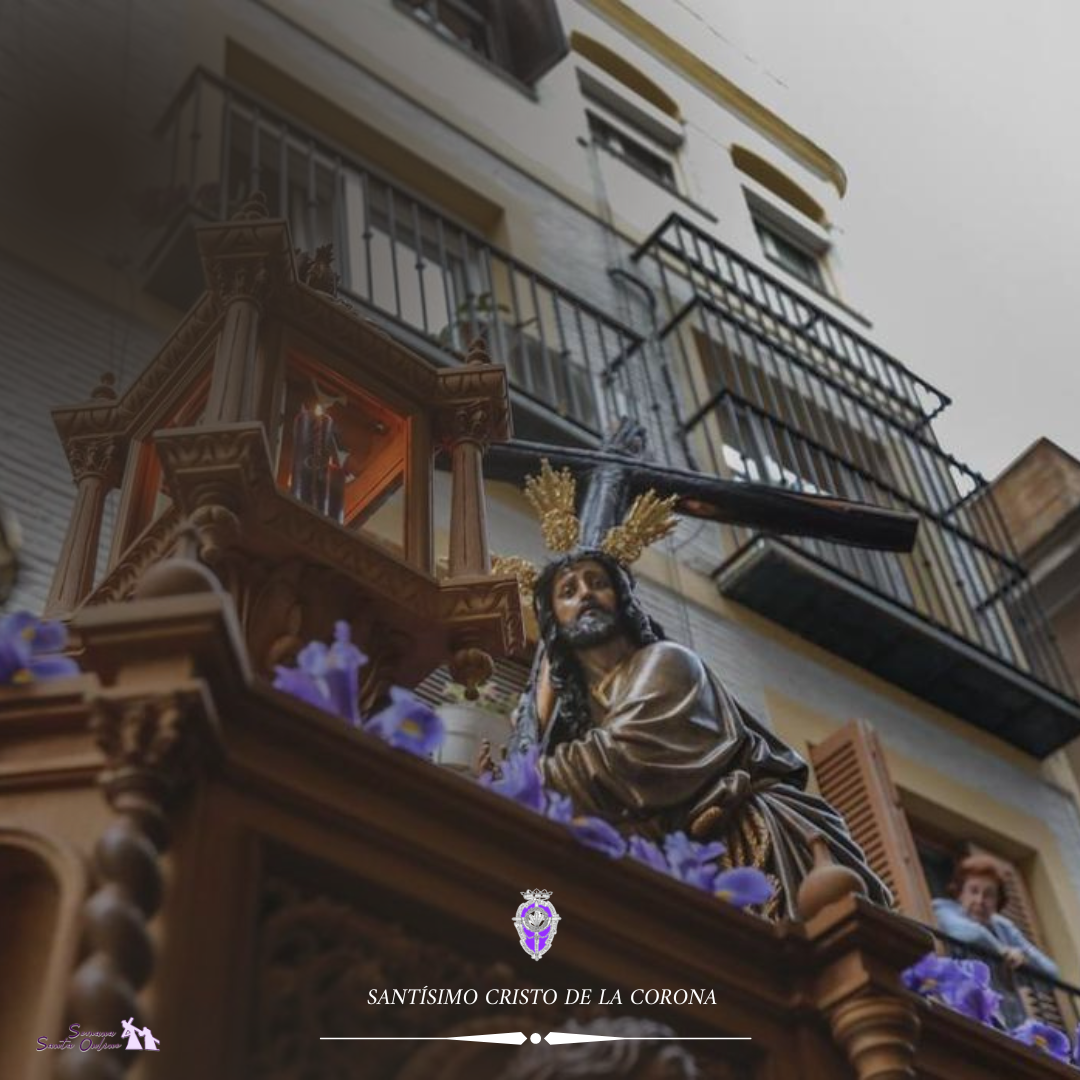
Cristo de la Corona Hermandad del Santísimo Cristo de la Corona
CentroThe only Viernes de Dolores brotherhood in the historic center. A single, austere paso carrying the Santísimo Cristo de la Corona departs from the Iglesia del Sagrario, right next to the Cathedral. Characterized by sobriety and recollection — a deeply moving procession through narrow, lamplit streets.
Itinerary
Puerta del Perdón → Alemanes → Cardenal Carlos Amigo → Placentines → Francos → Chapineros → Álvarez Quintero → Plaza de San Francisco → Granada → Plaza Nueva → Fernández y González → García de Vinuesa → Puerta del Arenal → Arfe → Real de la Carretería → Dos de Mayo → Arco del Postigo → Almirantazgo → Tomás de Ibarra → Santo Tomás → Plaza del Triunfo → Rodrigo Caro → Mateos Gago → Plaza Virgen de los Reyes
Gallery



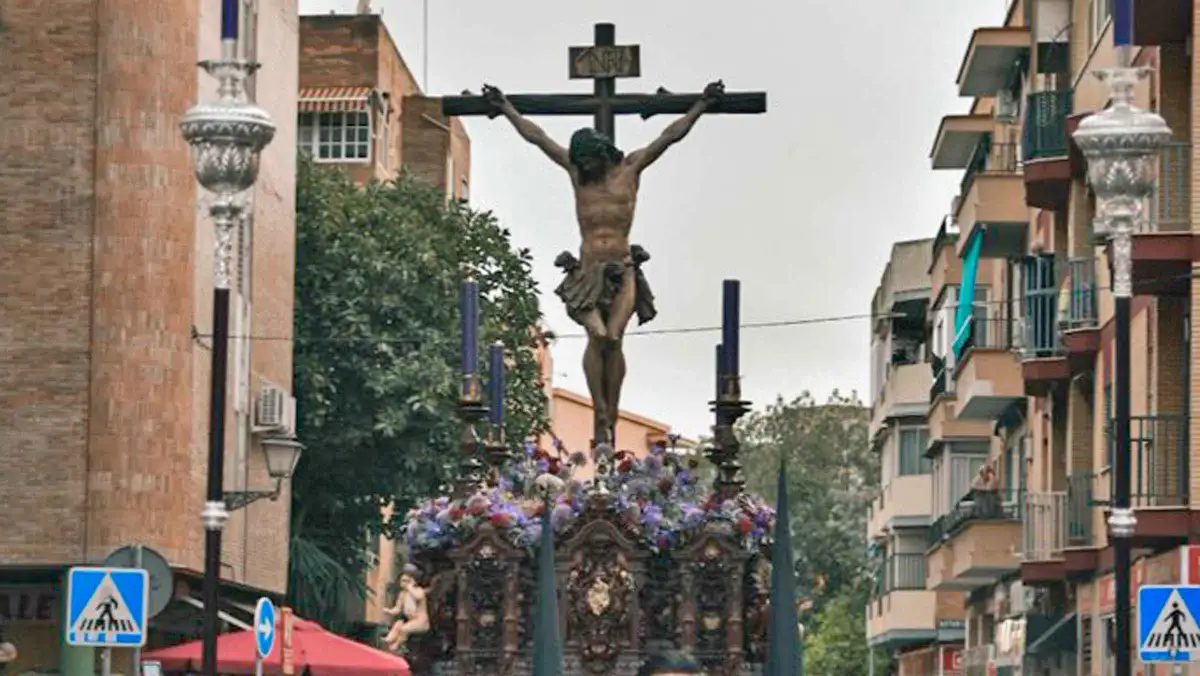
Pasión y Muerte Hermandad del Santísimo Cristo de Pasión y Muerte · Triana
A recently founded brotherhood with an austere, contemplative style and minimal musical accompaniment. Their single paso representing the road to Calvary processes through the heart of Triana — Sevilla's most charismatic neighborhood across the Guadalquivir.
Itinerary
Parroquia del Buen Aire → Condes de Bustillo → Evangelista → Prosperidad → Trabajo → Febo → Págés del Corro → Victoria → Rodrigo de Triana → Plazuela de Santa Ana → Párroco Don Eugenio → Pureza → Fabié → San Jacinto → Condes de Bustillo
Gallery



Bendición y Esperanza Hermandad del Señor de la Bendición · Polígono Sur
Two pasos — the Señor de la Bendición (mystery step) and María Santísima de la Esperanza (canopy step) — wind through Polígono Sur in one of the most passionately followed processions of the day. Founded in the 1990s, this brotherhood has grown to thousands of members and is deeply rooted in the neighborhood.
Itinerary
Parroquia de Jesús Obrero → Padre José Sebastián Bandarán → Glorieta Esperanza Vélez Lamadrid → Luis Ortiz Muñoz → Madre de Cristo → Av. de las Letanías → Ronda Ntra. Sra. de la Oliva → Getsenamí → Parque José Celestino Mutis → Lora del Río → Osuna → Almirante Topete → Parroquia de Santa Genoveva
Gallery


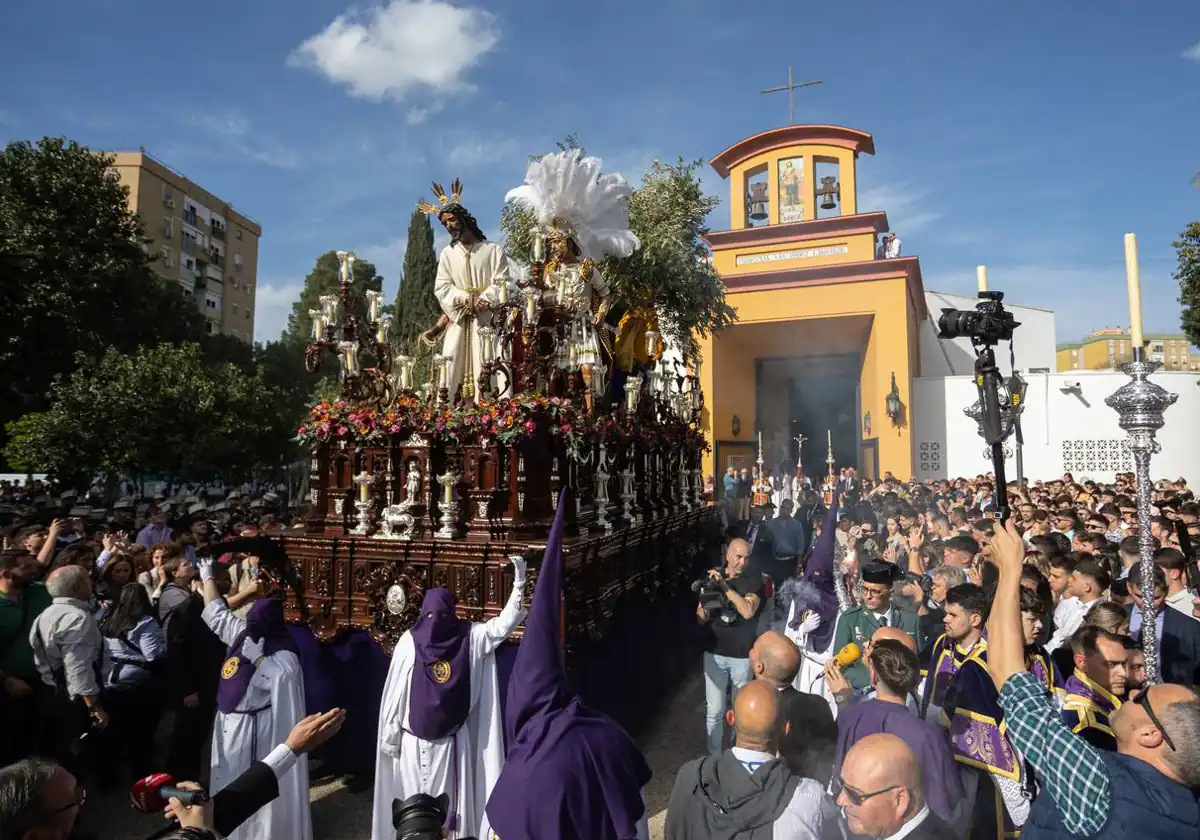
Jesús de Nazaret Hermandad de Pino Montano · Pino Montano
The pioneer of Viernes de Dolores brotherhoods, founded in 1982. Two pasos — Nuestro Padre Jesús de Nazaret and María Santísima del Amor — traverse one of the longest routes of the day through the northern neighborhoods. A true neighborhood celebration with massive local turnout.
Itinerary
Parroquia de San Isidro Labrador → Tapiceros → Plaza Ramón Rueda → Sembradores → Camino de los Toros → Parque Sierra Norte → Mar de Alborán → Mar Egeo → Viñadores → Cerrajeros → Impresores → Soladores → Esparteros → Charolistas → Alfareros
Gallery



La Misión Hermandad de Nuestro Padre Jesús de la Misión · Heliópolis
A single mystery paso featuring the Cristo de la Misión processes through the leafy Heliópolis neighborhood near the Estadio Beníto Villamarín, passing by the Hospital Virgen del Rocío. Established in the early 2000s, this brotherhood is growing in participation every year.
Itinerary
Parroquia San Antonio María Claret → Av. Padre García Tejero → Padre Mediavilla → Periodista Ramón Resa → Páez de Rivera → Av. de la Palmera → Cardenal Illundain → Av. Manuel Siurot → Hospital Virgen del Rocío → Torcuato Luca de Tena → Av. Reina Mercedes → Glorieta Alcalde Parias Merry
Gallery


Dulce Nombre Hermandad del Dulce Nombre · Bellavista
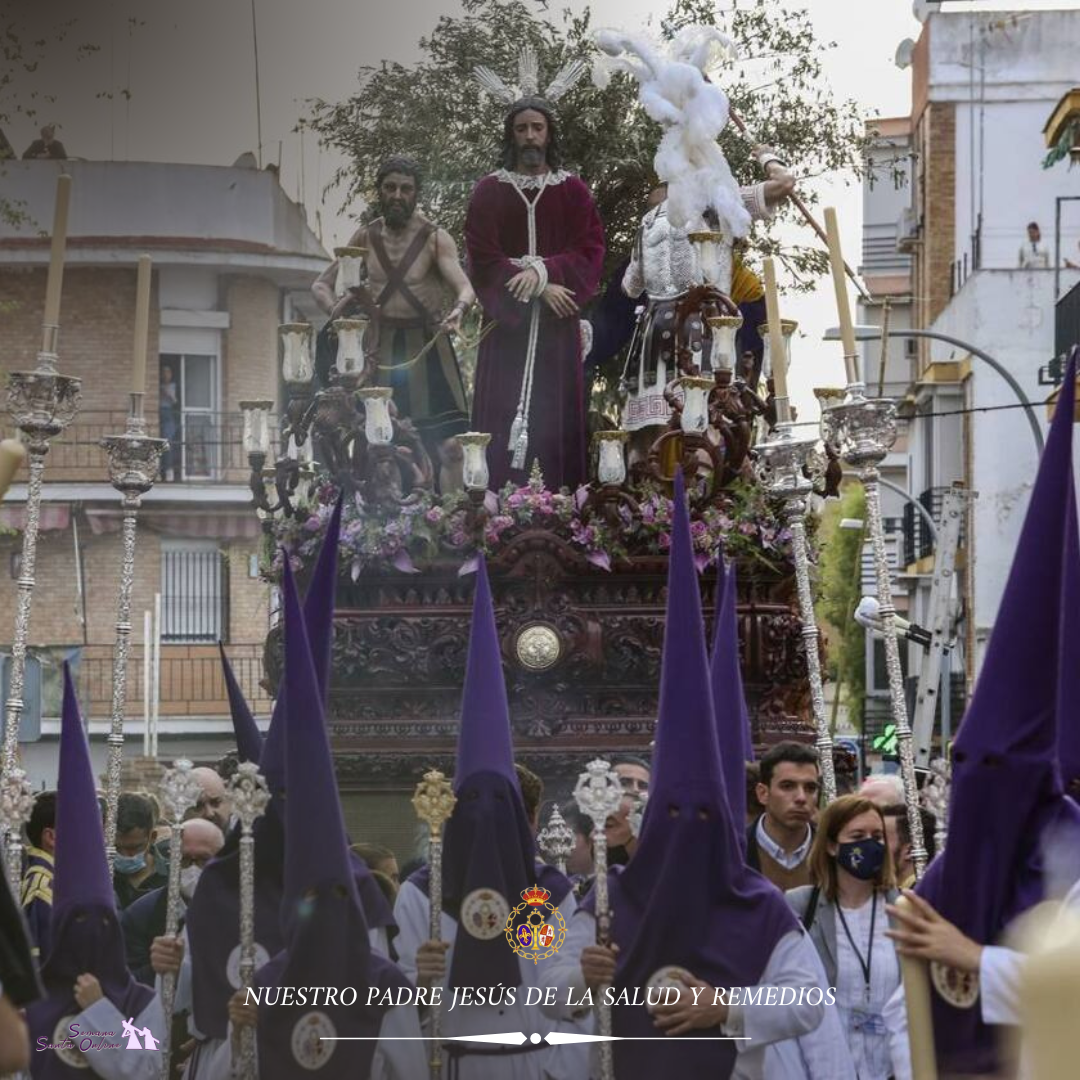
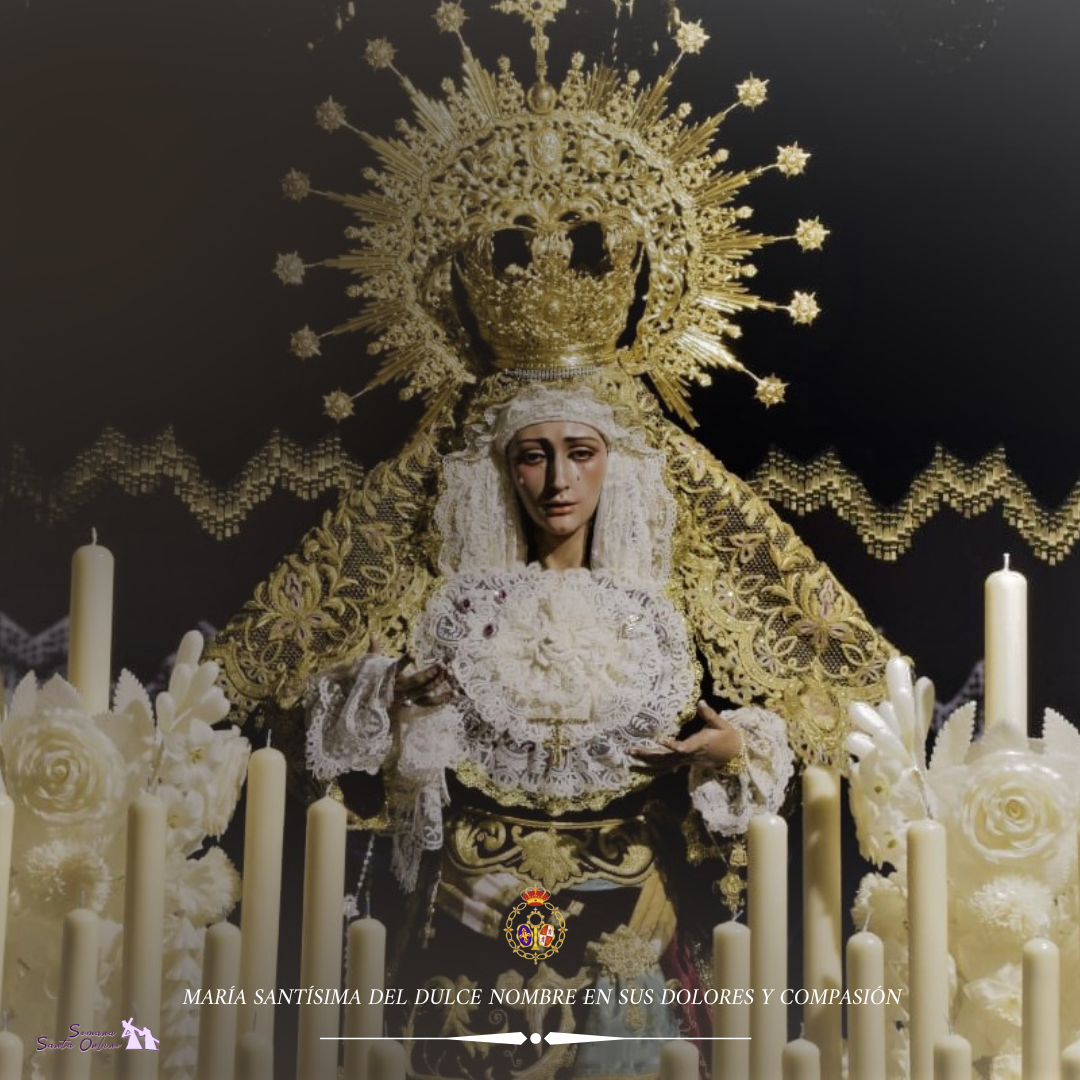
Founded in the late 1960s with deep neighborhood roots. Two pasos — Nuestro Padre Jesús de la Salud y Remedios and María Santísima del Dulce Nombre — process through the southern Bellavista neighborhood. A warm, family atmosphere with strong local devotion.
Itinerary
Parroquia del Sagrado Corazón de Jesús → Guadalajara → Asensio y Toledo → Soria → Plaza Fernando VI → Logroño → Palencia → Jazmín → Ávila → Almirante Argandoña → Plaza del Retiro → Pamplona → Enamorados → Plaza de las Cadenas → Alcuceros → Rosas
Gallery



Paz y Misericordia Hermandad del Crucificado de la Paz · Rochelambert
The Crucificado de la Paz departs from the Parroquia de San Luis y San Fernando in the Rochelambert neighborhood, winding through quiet residential streets in an intimate and contemplative procession.
Itinerary
Parroquia de San Luis y San Fernando → Juan Carvallo → Puerto de Envalira → Puerto de la Mora → Tarragona → Petrarca → Pedro Pecador → Av. de los Gavilanes → Puerto del Escudo → Puerto del Suspiro → Puerto de Lumbreras → Chaparral → Coimbra → Portalegre → Puerto de Piedrafita
Gallery


Saturday — Full Day
Palaces, tapas, river crossings, rooftop views, and everything in between.
Real Alcazar
Start early at this breathtaking royal palace. Mudejar architecture at its finest — ornate tilework, carved stucco, lush gardens. Still used by the Spanish royal family.
Real Alcazar
UNESCOBook the 09:00 slot online at realalcazar.org for fewest crowds. Don't miss the Patio de las Doncellas, Ambassador's Hall, and the gardens.
Cathedral & Giralda Tower
The largest Gothic cathedral in the world, housing the tomb of Christopher Columbus. Climb the Giralda (ramps, not stairs) for panoramic views of the entire city.
Catedral de Sevilla
UNESCOGo up the Giralda first while legs are fresh. The former Moorish minaret offers the best views in town.
Archivo de Indias
Renaissance building between the Cathedral and Alcazar. Houses documents from the Spanish colonial era. Quick but historically significant.
Archivo General de Indias
Free EntryUNESCO World Heritage Site. A quiet, impressive stop between the two big landmarks.
Barrio de Santa Cruz
Wander the narrow streets of the old Jewish quarter at a leisurely pace.
Must-See Spots
StrollPlaza de los Venerables, Callejon del Agua (along the Alcazar wall), Plaza de Dona Elvira with its orange trees, and Jardines de Murillo for a rest.
Lunch
Refuel for the afternoon. Sevillano lunch hour is 14:00-16:00.
Eslava
Legendary TapasFamous for its slow-cooked egg with truffle and pork sirloin. Expect a queue — absolutely worth it.
Mercado de Triana
MarketCovered market with fresh seafood stalls, tapas counters, produce, and wine. Great for a casual, varied lunch.
Bar Las Teresas
ClassicHistoric tapas bar with hams hanging from the ceiling. Local atmosphere, right in Santa Cruz.
Cross to Triana
Cross the Guadalquivir via Puente de Triana into the historic neighborhood of sailors, potters, and flamenco artists. More "real Sevilla" than the tourist center.
Triana Highlights
ExploreCalle Betis for riverside views and photos. Ceramica Santa Ana for traditional tilework. Callejon de la Inquisicion for atmosphere.
Metropol Parasol (Las Setas)
Massive mushroom-shaped wooden structure in Plaza de la Encarnacion. Love it or hate it, the 360-degree rooftop views are spectacular in the late afternoon light.
Las Setas de Sevilla
ViewpointRooftop walkway with panoramic city views. Ticket includes a drink voucher. Underneath, the Antiquarium has Roman archaeological remains.
Alameda de Hercules
Walk north to Sevilla's bohemian heart. Oldest public garden in Europe (1574), now lined with bars and cafes. Perfect for a pre-dinner drink on a terrace.
Optional: Hidden Palaces
If you have extra time, these are less visited but spectacular:
Palacio de las Duenas
Palace15th-century House of Alba palace. Beautiful courtyards and gardens, far fewer crowds than the Alcazar.
Casa de Pilatos
PalaceRenaissance-Mudejar palace called "the other Alcazar." Stunning tilework. Often overlooked by tourists.
Saturday Dinner
Go big for the last proper meal:
El Pinton
TrendyExcellent modern Andalusian food with a beautiful interior. Great cocktails too.
Tradevo Centro
Modern TapasInventive yet approachable modern tapas by a well-regarded young chef.
Dos de Mayo
Seafood TapasUnpretentious Triana neighborhood spot. Excellent seafood tapas, genuinely local.
Saturday Night
Sevilla doesn't sleep on Saturday:
Alameda de Hercules
Bar HoppingThe main nightlife district. Dozens of bars, start at the terraces and drift between spots all night.
Calle Betis
River ViewsTriana's riverside bars with views back to the city. More laid-back than Alameda.
Naima Cafe
Live JazzLive jazz and soul music in an intimate setting. Perfect for a more mellow night.
Fun Club
NightclubOne of Sevilla's longest-running clubs. Indie, rock, alternative music. Open late.
Practical Tips
Meal Timing
Sevillanos eat late. Lunch 14:00–16:00, dinner 21:00–23:00. Arriving at 19:00 for dinner will feel very early.
Getting Around
Central Sevilla is very walkable. Everything on this itinerary is within walking distance. Taxis and tram available if needed.
Book Ahead
Real Alcazar tickets and flamenco shows sell out. For restaurants like Eslava or Canabota, reserve 2–7 days ahead.
Siesta Hours
Smaller shops close 14:00–17:00. Major landmarks stay open. Plan shopping for mornings or evenings.
Weather
Late March is mild and pleasant (15–23C). Perfect for walking. Carry a light layer for evening.
Tipping
Not obligatory in Spain. Rounding up or 5–10% for great service is appreciated but never expected.